
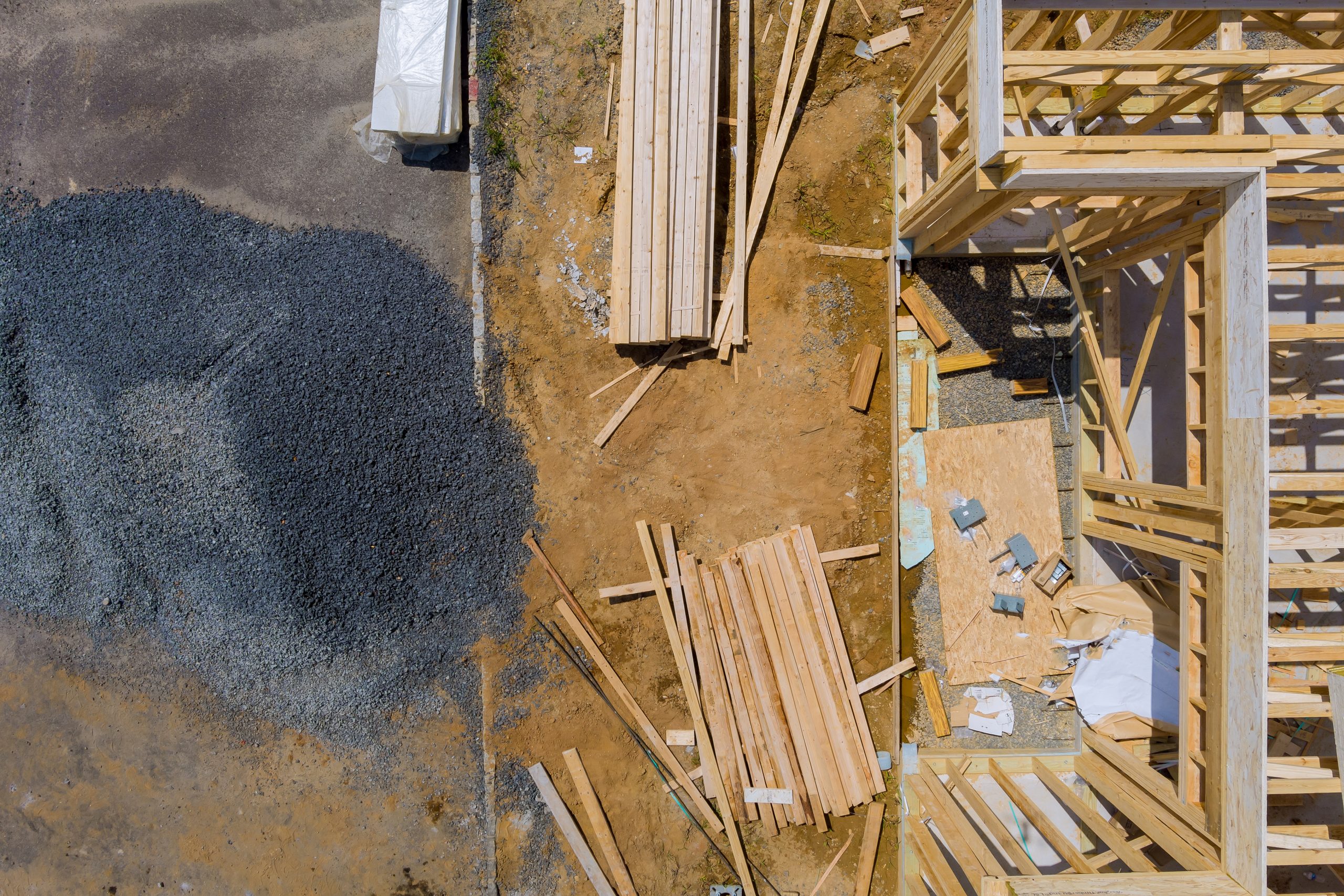
A beautiful home starts long before the foundation is poured. If you’re building on an undeveloped or underused property, Land development is the work that makes the site ready for what comes next. From understanding the land itself to planning utilities, access, drainage, and approvals, these early decisions can have a major effect on the entire project.
1. Start With the Property, Not the House
Before choosing a floor plan, take a close look at the site. The size and shape of the lot, slope, soil conditions, existing structures, trees, and access points can all influence what can realistically be built.
A site that looks straightforward from the street may have challenges that aren’t obvious at first glance. Identifying them early gives you a better idea of what the project will require.
2. Understand Zoning and Site Restrictions
Every property comes with rules. Zoning can affect setbacks, building size, permitted uses, height, parking, and how much of the property can be developed.
Checking these requirements early prevents homeowners from investing heavily in a design that later needs major changes. Good land development planning connects the vision for the property with what local regulations actually allow.
3. Plan Utilities and Access
A home needs more than a good foundation. Water, sewer, electricity, drainage, and site access all need to be considered before construction begins.
If the property isn’t already connected to utilities, extending services can become a significant part of the project. Planning these elements early helps avoid costly surprises once construction is underway.
4. Pay Attention to Drainage and Grading
How water moves across a property matters. Poor grading can create drainage problems, erosion, standing water, or even damage to structures.
Preparing the site properly may involve grading, drainage solutions, retaining structures, or other improvements. These aren’t the most exciting parts of building a home, but they are some of the most important.
5. Build a Realistic Development Plan
Once the property, regulations, utilities, and site conditions are understood, everything can come together into a practical plan. This gives homeowners a clearer picture of the work involved before moving into the actual building phase.
For residential projects in San Diego, California, thoughtful land development can make the difference between a complicated process and a well-organized one.
West Coast Building & Design brings design and construction knowledge into the early planning stages, helping homeowners understand their property and make practical decisions before breaking ground.
Contact West Coast Building & Design and start with a conversation about what your property can become.
OR Call Rene Rivera in San Diego: (619) 823-5763